
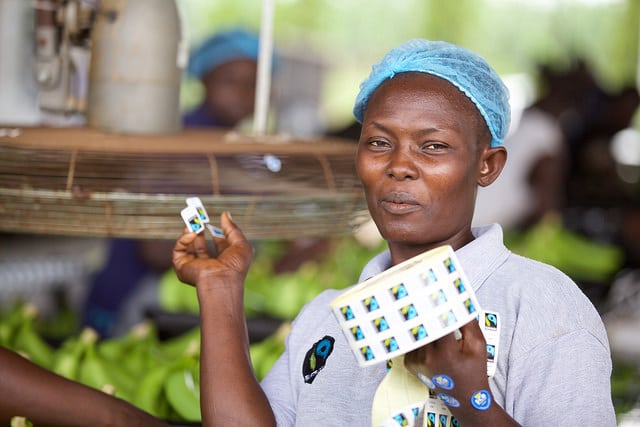
Event description
THIRST is joined by Alisatair Smith and Holly Woodward-Davey from the NGO Bananalink to explore what we can learn from their industry about approaches to sustainability.
In 2020 Bananalink and THIRST organised a cross-continent discussion with Malawian tea stakeholders exploring how banana trade unions in Latin America have successfully opened up to women.
In this session we will go further and discuss the wider lessons that can be learned – for example about organising an effective global forum and successfully advocating for supermarkets to commit to paying a price that enable a living wage for banana workers.

Date and time

Ticket price
Free
Voluntary donation
Why is this subject important?
The banana sector has seen progress in living wage commitments from supermarkets and global multistakeholder dialogue.
What will this webinar cover?
- 🍌 How Bananalink successfully advocated for living wages with European supermarkets
- 🍌 The link between certification and stronger labour standards
- 🍌 The results of their worker-led research in Dominican Republic, Costa Rica and Ecuador
How will attending this event benefit me / my organisation?
Learn how to get the most out of advocacy, collective bargaining and worker engagement.
About the speakers
Alistair Smith
International Coordinator & Executive Director
Alistair founded Banana Link in 1996 after a decade working in development education and international issues. Since then, he has been at the forefront of conversations around the hidden social and environmental costs of global supply chains, championing fairer and more sustainable trade across the banana industry.
Holly Woodward-Davey
Project Coordinator
Holly works closely with small farmers and trade unions across Central and South America and the Caribbean to support projects promoting a fairer, more sustainable banana trade. With a background in social anthropology, education and environmental work, she brings international experience and a strong commitment to social justice.
This webinar tackles the following root causes of human rights breaches in the tea industry
- Power imbalances
- Competition over collaboration
- Attitudes towards workers
- Trading systems
Related resources
-
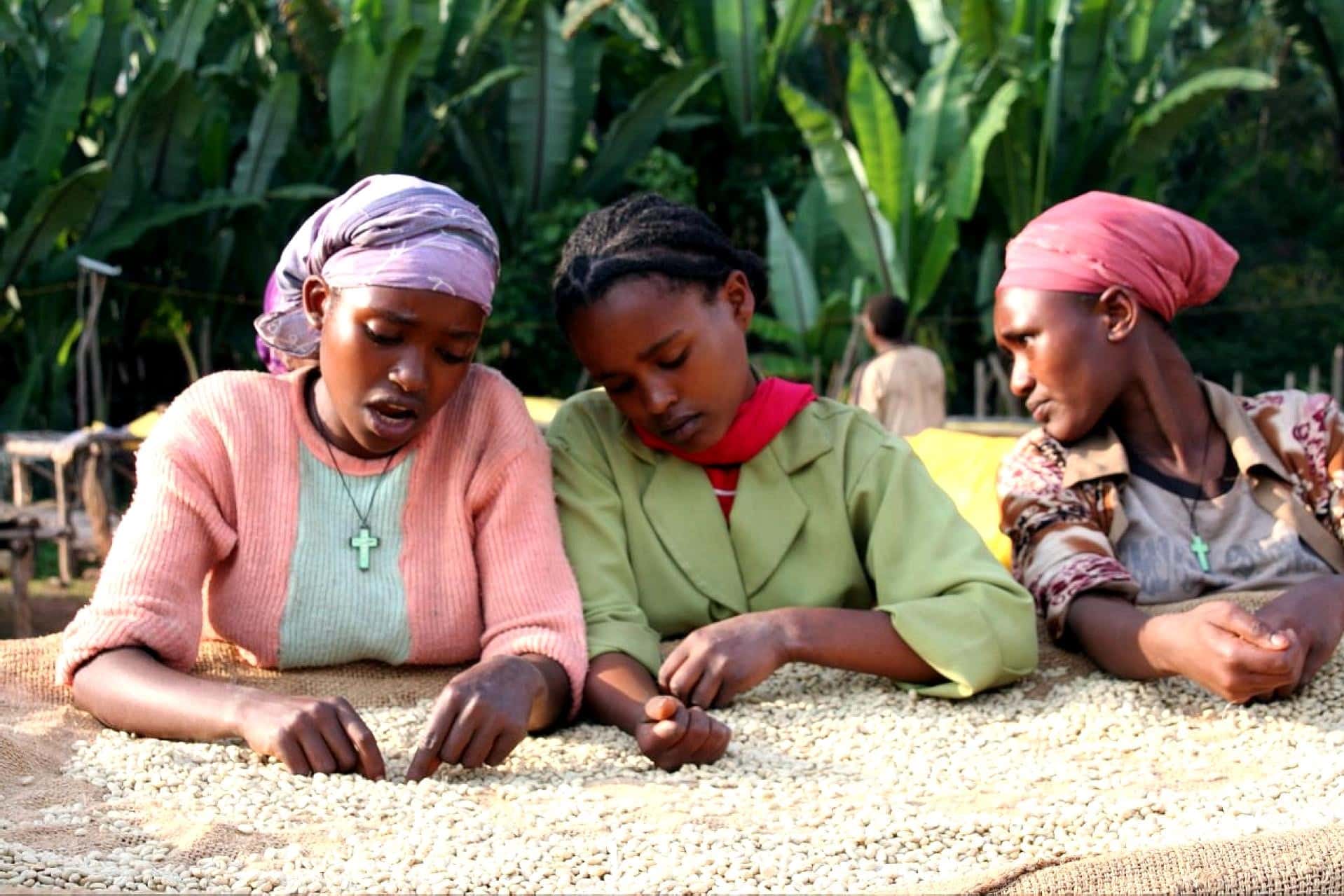
What can tea learn about sustainability from coffee?
Ashlee Tuttleman, Global Coffee Lead at Vocal Alliance shares insights into sustainability and collaborative efforts in the coffee sector such as the Global Coffee Platform. We discuss similarities and differences with the tea sector and what we can learn from…
-

Study of the Women’s Safety Accelerator Fund
 Report Council For Social DevelopmentIndia
A comprehensive study to empirically assess the economic costs of GBV and establish the return on investment (ROI) for the WSAF in the tea industry and other agricultural value chains, thereby presenting a business case for investments in GBV prevention…
-

Assessing the carbon footprint of tea production
Report Tools FAO IGG on TeaWorldwideThe objective of this document is to propose a methodology to measure the carbon footprint of the tea sector, and examine the data requirements and some other critical aspects in relation to the implementation of the proposed method.
-
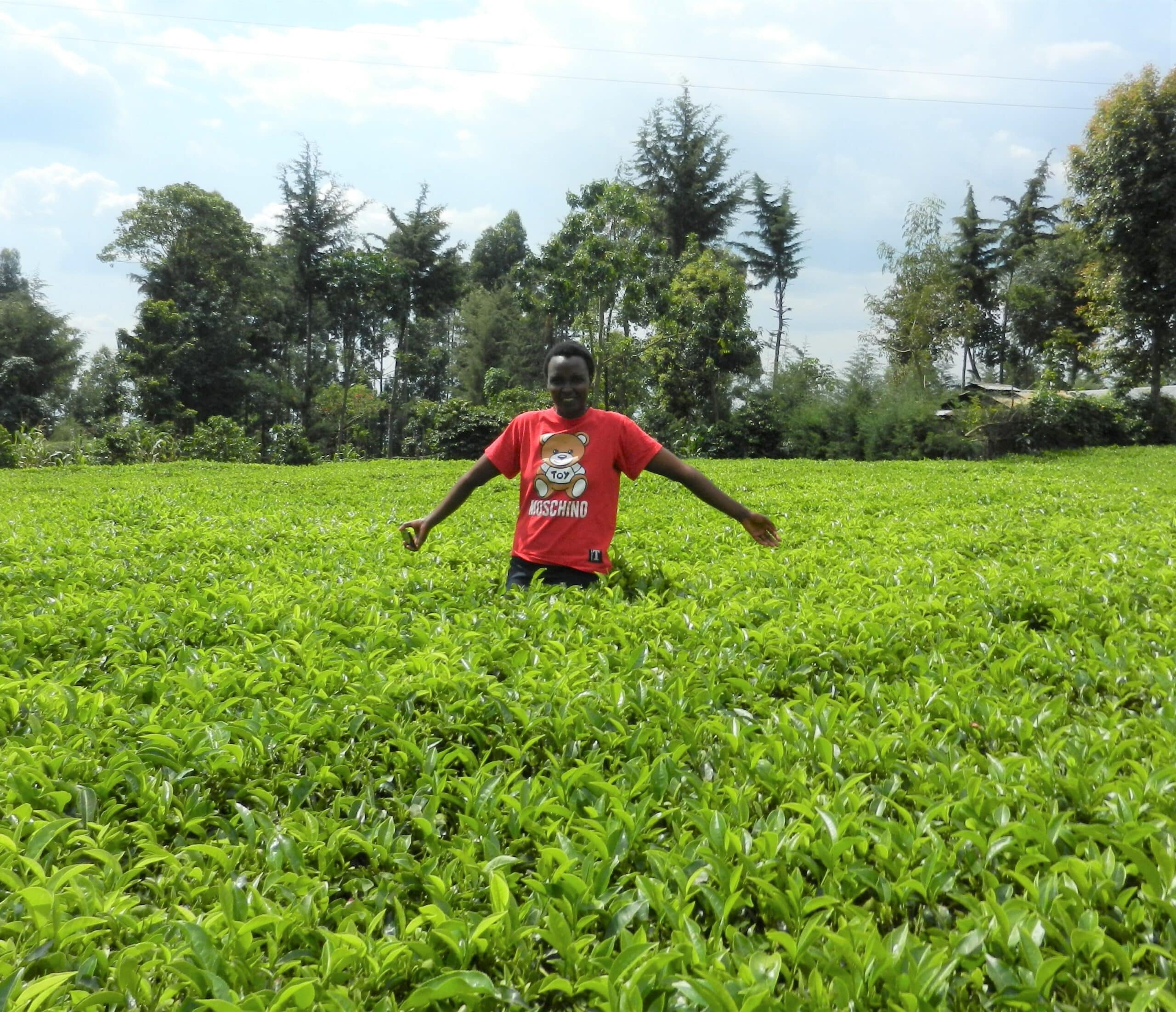
Alternative approaches: A national agency strengthens smallholders’ power
KTDA’s national aggregation model brings thousands of smallholder tea farmers under one shared structure so they can negotiate, grow and trade from a position of strength. Sudi Matara shares insights into how the system works, its successes and challenges.