
THIRST Tea News Update
July 2024

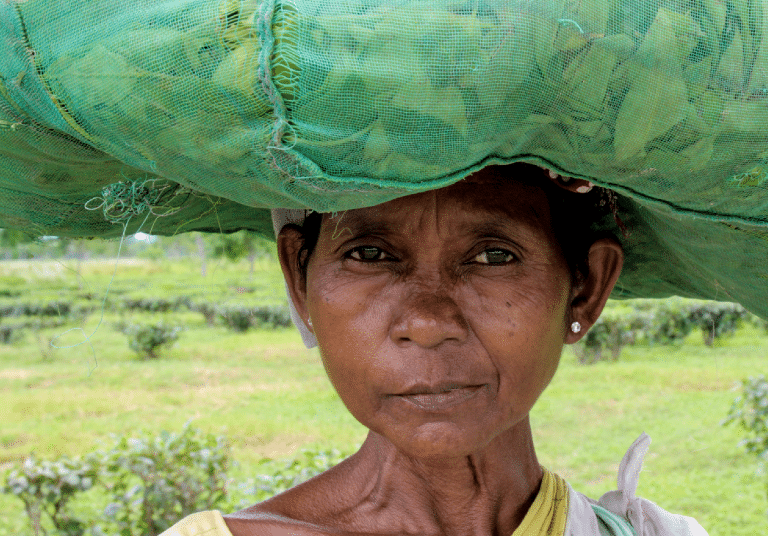
New Vision file photo: Ugandan tea worker: the Ugandan tea sector is struggling to survive.
Highlights:
International condemnation for election as factory director of man featured in BBC Sex for Work exposé; Sri Lankan plantations oppose government mandated 70% wage hike; Africa-Asia tea alliance proposes OPEC-like agreement for tea
JULY TEA NEWS HEADLINES
Alleged sexual abuser elected KTDA factory director
There has been widespread Kenyan and international condemnation of John Chebochok’s election as a director of KTDA’s Toror Tea Factory. He featured prominently in the BBC 2023 exposé on Sex for Work in the tea sector. Concerted campaigns are underway by Kenyan and international women’s rights organisations to have the election annulled as well as calls to investigate how he was able to get through the Independent Electoral and Boundaries Commission vetting process to stand for election. Major foreign buyers from Toror and its sister factory at Tegat have suspended business with them with immediate effect in protest. (July 7th, Nation)
THIRST is one of the signatories on a letter to Kenya’s Agriculture Cabinet Secretary requesting him to suspend Chebochok from the directorship pending further investigation into the allegations against him.
Following the BBC exposé, THIRST co-authored a briefing for the tea industry on the Risk Factors for GBVH in tea.
Opposition to Sri Lanka tea workers’ wage hike
Meanwhile, in Sri Lanka, the government decision to increase minimum wages for workers in tea and rubber plantations has led to a legal battle, as we have reported in the past few newsletters. A trade union has commissioned an international ‘people’s tribunal’ of former judges to assess the situation. The tribunal has stated that it is “horrified” at the conditions of plantation workers: “It has shocked the conscience of the tribunal that such practices could continue unabated in a modern civilised world.” It recommended that the new wage programme should be implemented immediately. Tea plantation owners have called for a collaborative effort to solve the problem of unfair wages, claiming that the proposed is too high. (June 23, The Sunday Times) In early July, the Supreme Court of Sri Lanka issued an interim injunction preventing the implementation of the Gazette on increasing the daily minimum wage of estate sector workers, which will remain in effect until the petition hearing concludes. (June 22, The Island)
NB THIRST’s Root Cause Analysis of human rights breaches in the tea sector highlighted the fact that for wages to improve, buyers need to pay better prices for their tea.
OPEC for Tea?
THIRST proposed in its report on the root causes of human rights breaches in the global tea sector that tea producing countries should come together to set quotas (as well as quality standards) to manage price stagnation. We were therefore pleased to note that one of the suggestions by African and Asian tea-producing countries meeting recently in Dubai to solve the oversupply and price stagnation crisis in tea, was an OPEC type solution, where tea production is halted for some months of the year. Price control, over-production and changes in habits from tea to coffee were some of the issues which caused concern. The problems caused by climate change and global conflict were also seriously discussed. (June 25, The Standard)
OTHER TEA NEWS
Adding value to tea
Kenya is pushing ahead with its drive towards value added tea. The Kenyan president William Ruto meanwhile has promised 1 billion Kenyan shillings for the construction of two branding centres for Kenyan tea. The president also said that subsidized fertilizer has helped the tea industry. He called for better branding and more value addition to make Kenyan tea more profitable. (June 20, KBC)
In support of these efforts, Kenya held its first African Tea Specialty Conference and Expo. Small tea growers from across the region were brought together and they exchanged ideas on how to promote their produce, especially specialty teas. (June 26, World Tea News)
Fighting for fair wages and taxes
However, Kenya’s new Finance Bill has proposed a whole slew of tax changes which protesters say can negatively impact the country’s agricultural industry, including tea. Increased excise duty on fuel as well as the removal of VAT (value added tax) would significantly hinder tea growers. The changes may help large farmers but are likely to create problems for Kenya’s small tea growers, who make up the bulk of the tea industry. This has prompted widespread protests across Kenya, the unrest has been met with strong government resistance, resulting in several deaths. (June 8, Standard Media)
Meanwhile, in India, a main road was blocked for six hours by hundreds of residents of a tea estate demanded that back dues from over eight weeks be paid to them immediately. The workers were from the New Dooars estate, once an Andrew Yule estate, now run by a Central government undertaking. The workers braved heavy rains to ask for their payment. “We are yet to receive eight weeks’ wages and are at our wit’s end. We don’t know how to run our families. Today, we raised the blockade to draw the attention of the administration and the company to our plight,” said Sonali Manki Munda, a woman worker who joined the protest. (June 30, The Telegraph, Kolkata)
Tea industry in crisis
Uganda’s tea industry finds itself in severe crisis, affecting more than a million people involved. Falling prices have forced farmers to abandon shops and factories. The global over-supply of tea is seen as the main problem. A surplus of 391 million kg has pushed into 2024, affecting prices further. Diversification, innovation and price control are some of the measures being looked at to save the tea industry in Uganda. (June 19, New Vision)
Climate crisis: impacts and innovations
A fungal disease affecting tea growth in the Cachar district of the Indian state of Assam is being seen as a big threat to tea leaf quality and production. Scientists of Assam University have identified leaf necrosis caused by Lasiodiplodia theobromae as a new disease in not just the district, but also in India. The fungus has earlier only been reported in China. The fungus was also earlier reported in China. It affects the upper part of tea leaves, making them turn brown and rot. Conventional remedies have been ineffective and efforts are on to find a specific cure. A potential 50 per cent loss in tea production is feared if the disease spreads rapidly. (June 22, East Mojo)
Hopefully remedies to these and other climate impacts in the tea sector will be found from efforts such as those of Cranfield University and Liptons Teas and Infusions who have started a joint project on climate change mitigation and resilient practices in tea: (June 18, World Tea News)
Tea communities’ land disputes
Union workers of the Centre of Indian Trade Unions (CITU) and the Tripura Tea Workers Union (TTWU) marched in protest in the Tripura capital Agartala, protesting against the “illegal destruction of tea plantations and land encroachment allegedly supported by the state government”. The unions said that the industry has faced “continuous attacks” by developers. They wanted the tea industry of the Indian state of Tripura, and its workers, to be protected. (July 1, Tripura Chronicle)
Elsewhere, in India, two people were injured as they were hit by pellets during a clash over the possession of a worker-run tea plantation in Bengal. The plantation had been abandoned by its original owners, and the workers had been running it successfully ever since. The clash ensued when a local resident tried to wrest control of the plantation. (23 June, Telegraph India)
Health and safety in tea
The Assam government, in collaboration with The Hans Foundation, has initiated a Mobile Medical Unit Project to offer healthcare services to tea garden workers. The project will deploy 40 medical vans to serve 120 tea gardens in Tinsukia and Dibrugarh districts. (16 June, India Today NE)
Share this update
Sign up for our monthly newsletter to stay in the know about human rights in the tea sector
Each issue of our newsletter includes:

A summary of the latest tea sector news

Upcoming THIRST events

THIRST news and updates

New reports and resources from our Knowledge Hub
Latest news, views and events
View all Upcoming Event

 THIRST news
THIRST news November 2026
Catch up on THIRST’s latest news, including our final webinar of the year, a new guest blog, new Knowledge Hub resources and…
 Tea News Update

Tea news November 2026
Bonus unrest season returns; small but transformative climate adaptations adopted; GBVH persists alongside studies; real and continued danger to tea workers’ lives.