
What can the tea sector learn about sustainability from palm oil?

Upcoming event
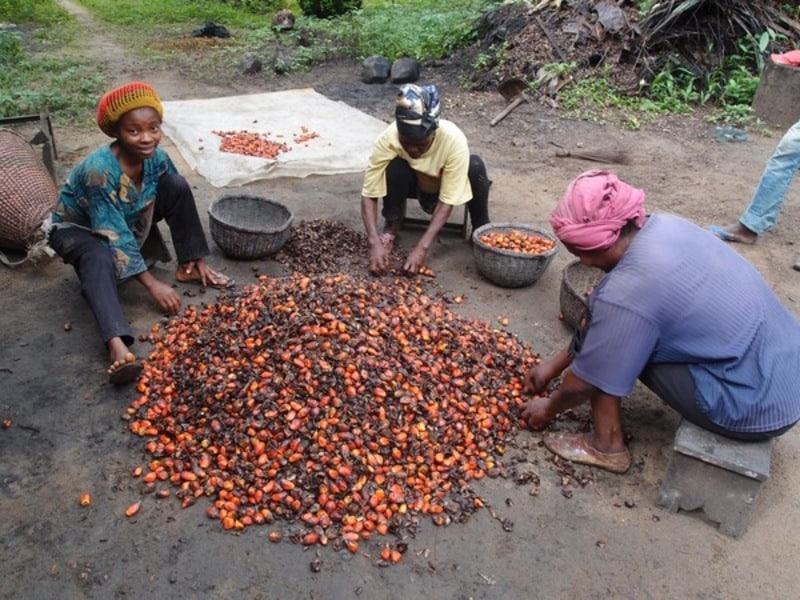
Palm oil farmers in Cameroon. Photo: GRAIN
What can tea learn about sustainability from PALM OIL?
Join us for the fourth webinar in our series What can tea learn about sustainability from other sectors? as we look at how the palm oil sector has responded to long-standing sustainability challenges and what tea could learn from its experience.
At THIRST, we believe tea can learn valuable lessons from other industries. This series gives us a chance to hear what has worked elsewhere, what hasn’t and what could be useful for tea. Our guest speaker, Thibault Gravier, sustainability leader and CEO of Reset, has worked extensively across both palm oil and tea.
The webinar will include a Q&A and discussion with plenty of time to ask questions, share experiences and discuss what these lessons could mean for tea.
THIRST seeks to make information freely available to everyone in the tea sector that needs it. But we also need to cover our very modest overheads. If you find our webinars useful please consider making a donation to help THIRST continue to make them available.
Date and time

Ticket price
Free (donations are voluntary)
Scroll down to register, donate
and find more event details
Why is this subject important?
Palm oil and tea have very different supply chains but both face long-standing sustainability and human rights challenges.
The complexity of the palm oil supply chain has forced parts of the sector to find new ways of addressing these challenges. This has included looking beyond certification, changing established operating models and working collaboratively on problems that cannot be solved by one company alone.
What will this webinar cover?
The webinar will compare the sustainability challenges facing palm oil and tea and look at what tea can learn from the way the palm oil sector has responded.
How will attending this event benefit me / my organisation?
Whether you work in the tea industry, sustainability, responsible sourcing, human rights, research or civil society, this webinar offers an opportunity to learn from another sector’s experience of tackling complex and persistent challenges.
You will come away with:
The session will also give you the opportunity to put your questions directly to Thibault with experience of working across both palm oil and tea.
- a fresh perspective on what it takes to address systemic problems
- practical lessons on collaboration and pre-competitive working
- a better understanding of why changing business practices may be necessary alongside certification
- insights into what makes sustainability approaches economically viable and scalable
- ideas to take back to your organisation and consider in the context of the tea sector
About the speakers
Thibault Gravier, Sustainability Leader and CEO of Reset
International consultant in sustainability and sustainable supply chain with nearly 20 years’ experience and ongoing work across more than 20 countries.
This webinar tackles the following root causes of human rights breaches in the tea industry
This webinar speaks particularly to root causes linked to:
- Over-reliance on certification: looking at why tackling systemic problems may require changes to established ways of operating rather than relying on certification alone.
- Competition over collaboration: examining how pre-competitive approaches can help organisations work together on problems that no single company can solve alone.
- Power imbalances: considering how the investment and responsibility needed to support more sustainable practices can be shared across industry players.
Related resources
-
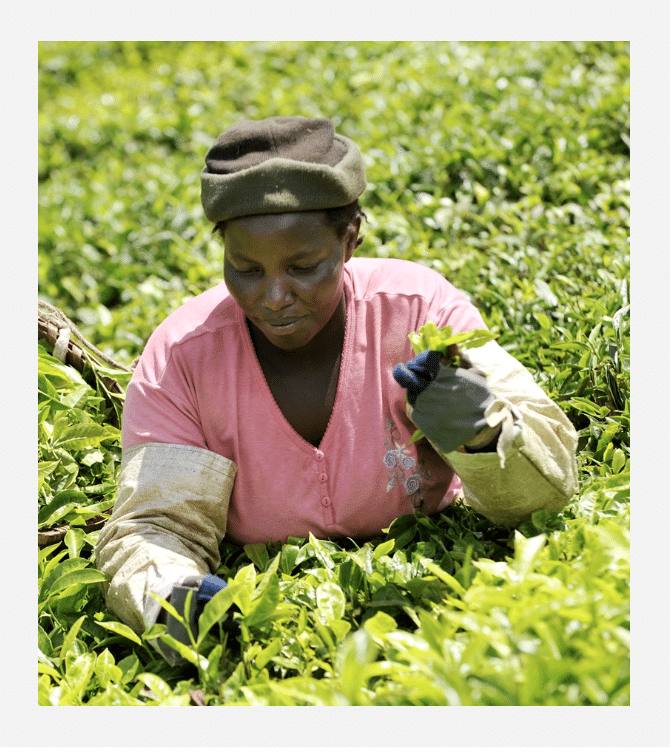
Digitizing wages to empower tea workers in Malawi
This video talks about a 2024 pilot initiative by the Better Than Cash Alliance (BTCA) and the Tea Association of Malawi (TAML) to digitize wage payments on Malawi’s tea estates. The program began at Makandi Estate, reaching over 7,000 workers…
-
Multilevel Framework for Addressing SEAH in the Tea Sector
 Report Tools ETPWorldwide
This paper sets out the Ethical Tea Partnership’s (ETP) framework for addressing sexual exploitation, abuse and harassment (SEAH) in the tea sector as part of our broader mission of fostering Empowered, Safe Tea Communities. It highlights the persistent drivers of…
-
Insights from The Women’s Safety Accelerator Fund (WSAF)
Report IDHAssam, IndiaThe document shares learnings from the WSAF program, set up by a coalition of brands and organisations in 2020 to accelerate the UN Women’s Global Women Safety Framework, aiming to create a safe, violence-free workplace for women in the tea…
-

What can the tea sector learn about sustainability from cocoa?
The cocoa sector has played a leading role in global conversations on regulation, traceability and farmer livelihoods. Antonie Fountain, Managing Director of VOICE Network, shares what the tea sector can learn from cocoa’s experience and why collaboration has been one…