
THIRST Tea News Update
January 2026

A tea plantation worker evacuated after Cyclone Ditwah shelters with her children at a safety center in Sri Lanka, (AP Photo/Eranga Jayawardena) AP News
The Headlines
The period from December 2025 to January 2026 highlights deep structural challenges facing tea workers and producers across South Asia and East Africa, alongside emerging reforms, climate pressures, and innovation. Persistent issues of low wages, labour rights violations, unsafe working conditions, and climate vulnerability continue to define the sector, while governments, researchers, unions, and communities pursue uneven reforms and adaptive strategies.
Industrial unrest intensified in Assam, North Bengal, and North Bengal’s Dooars region over the now all too familiar story of unpaid wages, provident fund arrears, plantation abandonment, and inadequate daily wages. Fatal accidents, wildlife attacks, and healthcare failures exposed serious safety and health gaps. Assam launched a pilot health screening scheme, while Bangladesh data revealed catastrophic healthcare costs forcing workers to abandon treatment.
The tea industry prides itself on having no child labour issues – yet a report on the trafficking of the children within India highlights the desperate economic condition of some tea workers. While innovations designed to support children’s education are gradually spreading, the digital divide can make access prohibitively hard for tea communities.
Assam’s land ceiling amendments have triggered strong opposition from tea planters and raised concerns around gender equity, legal clarity, and implementation.
Climate shocks—including cyclones, frost, cold waves, and rising pest infestations—caused severe crop losses and humanitarian distress. Cyclone Ditwah exposed how systemic discrimination worsened disaster impacts for plantation communities in Sri Lanka. At the same time, climate-smart innovations emerged, such as pest-repelling technologies and clean energy generation from tea waste.
The sector saw corporate restructuring, exploration of new tea-growing regions, and a growing emphasis on value addition, organic production, tourism, and local processing as pathways out of poverty. However, concerns were raised over crop substitution and environmental degradation.
Cyclone Ditwah highlights inequality and vulnerability
Cyclone Ditwah devastated Sri Lanka’s hill regions late last year, destroying fragile housing of tea plantation workers and worsening food insecurity and displacement. (AP News – 20/12/2025). Human Rights Watch highlighted how lack of Tamil-language warnings and systemic discrimination compounded cyclone impacts on Malaiyaha Tamil communities. Meenakshi Ganguly, Deputy Asia Director of Human Rights Watch (HRW) said “The UN Development Programme found that the majority of those affected belong to communities already “facing multiple vulnerabilities … including unstable income, high debt, and a limited capacity to cope with disasters.” (Tamil Guardian – 16/12/2025). This was starkly illustrated by protests bydisplaced plantation workers against eviction from their temporary shelters, due to fears of further landslides. (Sri Lankan Mirror – 18/12/2025) Meanwhile, despite their limited financial means, some plantation workers donated funds to the government’s rebuilding programme (Hiru News – 18/12/2025).
Poverty and deprivation for tea plantation children
In India, Arunachal Pradesh Police rescued 24 child labourers and several adults trafficked from tea plantations in Tripura after being promised wages and benefits. (Ommcom News – 24/12/2025) The story raises concerns that while child labour on plantations may not be an issue low wages (in plantatations everywhere, not just India) may be impacting severely on the children of tea workers.
Efforts are being made in many tea origins to provide plantation workers’ children with a decent education, including through remote learning. However, a first-person account from a tea plantation worker’s daughter in West Bengal reveals how lack of electricity, devices, internet access, English proficiency, and private space undermine the promise of digital education for marginalised tea communities.
The Mooknayak – 26/12/2025
The vicious cycle of arrears and closures on Indian plantations
Multiple tea plantations in India (North Bengal and Assam) were abandoned or shut amid unpaid wages, Provident Fund violations, and labour unrest, affecting thousands of workers. Nearly ₹100 crore in provident fund dues allegedly remain unpaid in North Bengal tea plantations, prompting calls for transparency. (Millennium Post – 12/01/2026)
This recurring story of plantation closures after industrial action protesting unpaid wages has reverberated throughout the past few years. While the story has now been repeated so many times it may no longer seem like news, for the workers and managers involved it is a crippling impasse. Plantation owners can shut up shop and leave, but workers are left stranded, jobless and penniless. (Telegraph India – 14/12/2025; The Statesman – 16/12/2025; Telegraph India – 17/12/2025; Millennium Post – 17/12/2025)
While the new labour codes recently introduced by the Indian government may have been an opportunity to break this cycle, twenty-four West Bengal trade unions announced coordinated protests against the new labour codes and long-standing worker grievances. (Telegraph India – 15/12/2025)
Despite these clashes, closures and other challenges, India recorded higher output and exports last year. (Devdiscourse 31/12/2025).
Government interventions
The Kenyan government has introduced reforms to standardise tea prices, curb cartels and improve bonuses, with a target of Sh100 per kg of green leaf by 2027 (Eastleigh Voice 04/01/2026). Separately, a Sh3.5 billion reform programme aims to modernise factories, cut fertiliser costs and improve farmer payments. (Eastleigh Voice 22/12/2025)
In the run up to elections in India, West Bengal’s Trinamool Congress says tea plantation wages will rise to Rs 300 per day in 2026, alongside improved healthcare access and new crèches for working mothers. (Time of India 04/01/2026). While the Assam government claims that a 3% job reservation for the tea plantation community has strengthened long-term security for workers. (D D News 18/12/25)
The Government of Iran’s support programmes for tea farmers has helped boost exports by 48% year-on-year, generating over $12 million in foreign exchange earnings. (Tehran Times 16/12/2025) Pakistan is also exploring commercial tea cultivation highlands after the Food and Agriculture Organization (FAO) assessments confirmed that large areas in the region are suitable for long-term and climate-smart plantations. (Daily Times 02/01/2026) Two more examples of local and national benefit, that will contribute to the global oversupply of tea keeping prices down?
Multiple fatal accidents and lack of adequate healthcare
Multiple deaths were reported in India and Bangladesh due to road accidents, falls from unsafe heights, electrocution, wildlife attacks, and hornet swarms, underscoring unsafe working and living conditions. These incidents highlight the danger of working in tea plantations and the need for greater vigilance, health and safety policies and procedures and protective gear. (IndiaToday 11/12/2025; Prag News 17/12/25; Hiru News 13/01/2026)
In another example of plantation workers’ families being put at risk due to the need to supplement their incomes, 22 workers from Dhelaghat tea plantation in Assam were killed in a road accident while being transported in a truck by a private contractor to find work in the neighbouring state. (Deccan Herald – 11/12/2025; Times Now 11/12/2025; Times of India 13/12/2025)
Despite the dangers of plantation work, proper medical facilities are often not available. The death of an infant at Margherita Tea Plantation, India, exposed the absence of permanent doctors, while a Bangladesh study showed tea workers spending up to 33% or more of income on medicines. (India Today 14/12/25; Observer Bangladesh 31/12/2025). In light of these issues, Assam has launched a pilot health screening scheme for tea plantation workers under the “Swasthaban Shramik Yojana.” (Tripura Times 27/12/2025)
Concerns over implementation of Assam tea workers’ land rights
Planters in Assam have raised legal and financial concerns over granting land rights to workers, while the state government warned against opposition, threatening to revoke other incentives. Commentators flagged risks of discrimination and exclusion of women (“Although women workers form the majority of the workforce and are pivotal to the tea industry, it is yet to be determined whether they get ownership of the land title in the family”). (Indian Express – 08/12/2025; Business Standard – 06/01/2026; The News Mill – 06/01/2026; The Hindu – 02/01/2026). Meanwhile, tea workers have alleged uncompensated land acquisition in Assam (The Sentinel – 11/12/2025) and illegal diversion of tea plantation land in Tripura (Tripura Chronicle – 19/12/2025)
Women demand rights and recognition
Women working on tea plantations in Bangladesh highlighted low wages, unsafe conditions, child marriage, and lack of healthcare and education, calling for rights-based reforms. : “We demand a living wage, labour law implementation, safe healthcare, decent workplaces, and education—not as favours but as rights… Every day we work in the tea gardens under sun and rain. Even after picking 23 kilos of tea leaves, we earn only Tk176. With this income, it is impossible to cover school fees, healthcare or basic household expenses.” (Dhaka Tribune –30/12/2025). A photo series documented women tea workers organising, negotiating wages, and claiming recognition across Bangladesh’s informal economy. (Prothom Alo – 13/12/2025)
Tech solutions to climate impacts
Rising temperatures are increasing pest infestations across tea origins, while frost, cold waves and cyclones cause severe crop losses as well as jeopardising worker health. At the same time, new technologies—including pest-repelling chips and clean energy from tea waste (biochar) — offer climate-smart solutions. (Mongabay – 08/12/2025; The Hindu – 23/12/2025; The Independent – 23/12/2025; India Today – 16/12/2025)
Value addition and diversification
In Cao Son commune, Vietnam, highland farmers are moving away from fragmented traditional practices and adopting more strategic approaches to agriculture to escape poverty. Households are focusing on specialty tea cultivation, particularly preserving ancient tea trees in Ta Thang village, where high-quality tea buds can fetch 60–70 thousand VND/kg, becoming a primary income source. Others are converting less productive land to grow high-value crops like mandarins. Local authorities are supporting these efforts by building agricultural value chains and attracting businesses for deep processing, creating a pathway toward sustainable poverty reduction (Vietnam VN 04/01/2026). Complementing these efforts, tourism is emerging as an alternative income source for tea communities, offering local youth employment opportunities and vocational training while keeping them close to their families (The Peak 20/12/2025).
Efforts to modernize tea production also emphasize value addition and technological innovation. Nguyen Thai Ninh, for instance, established the Thai Ninh Safe Tea Production Cooperative in 2017 to introduce organic methods, scientific practices, and digital tools to increase tea profitability (Vietnam.vn 14/12/25). Experts like Nimal Udugampola highlight that adding value to tea is a smart strategy to boost margins in a challenging industry (Daily News 11/12/2025).
However, not all diversification is universally supported; in Tripura, India, initiatives to cultivate palm oil, betel nut, and lemon on tea estates have raised environmental concerns and threats to the century-old tea tradition, emphasizing the need for careful planning when modifying agricultural practices (Tripura Info 28/12/2025).
Industry shifts and expansion
Unilever has continued its divestment of tea production, selling its SariWangi brand in Indonesia in order to sharpen its focus on higher-growth FMCG segments. (Food Ingredients First – 12/01/2026). Meanwhile, UK retailer Sainsburys has backed calls for stronger human rights and environmental due diligence in tea supply chains. (The Grocer – 11/12/2025)
Share this update
Sign up for our monthly newsletter to stay in the know about human rights in the tea sector
Each issue of our newsletter includes:

A summary of the latest tea sector news

Upcoming THIRST events

THIRST news and updates

New reports and resources from our Knowledge Hub
Latest news, views and events
View all Upcoming Event
 Tea News Update
THIRST Tea News Update – February 2026
Extremes heat and cold affect tea workers’ health; land-rights and wage protests persist across S Asia. Major shifts in Kenyan tea policy.
Tea News Update 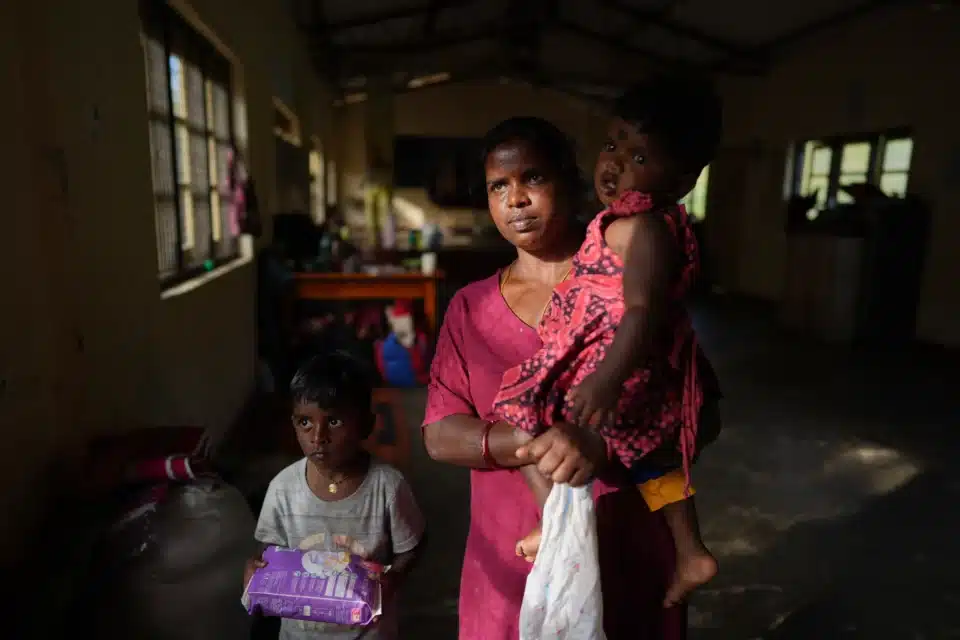
January News Update 2026
This month’s update highlights deep structural challenges facing tea workers and producers across South Asia and East Africa, alongside emerging reforms, climate…