
Sept 2024 UPDATE: Human Rights Impact Assessment of the Tea Sector
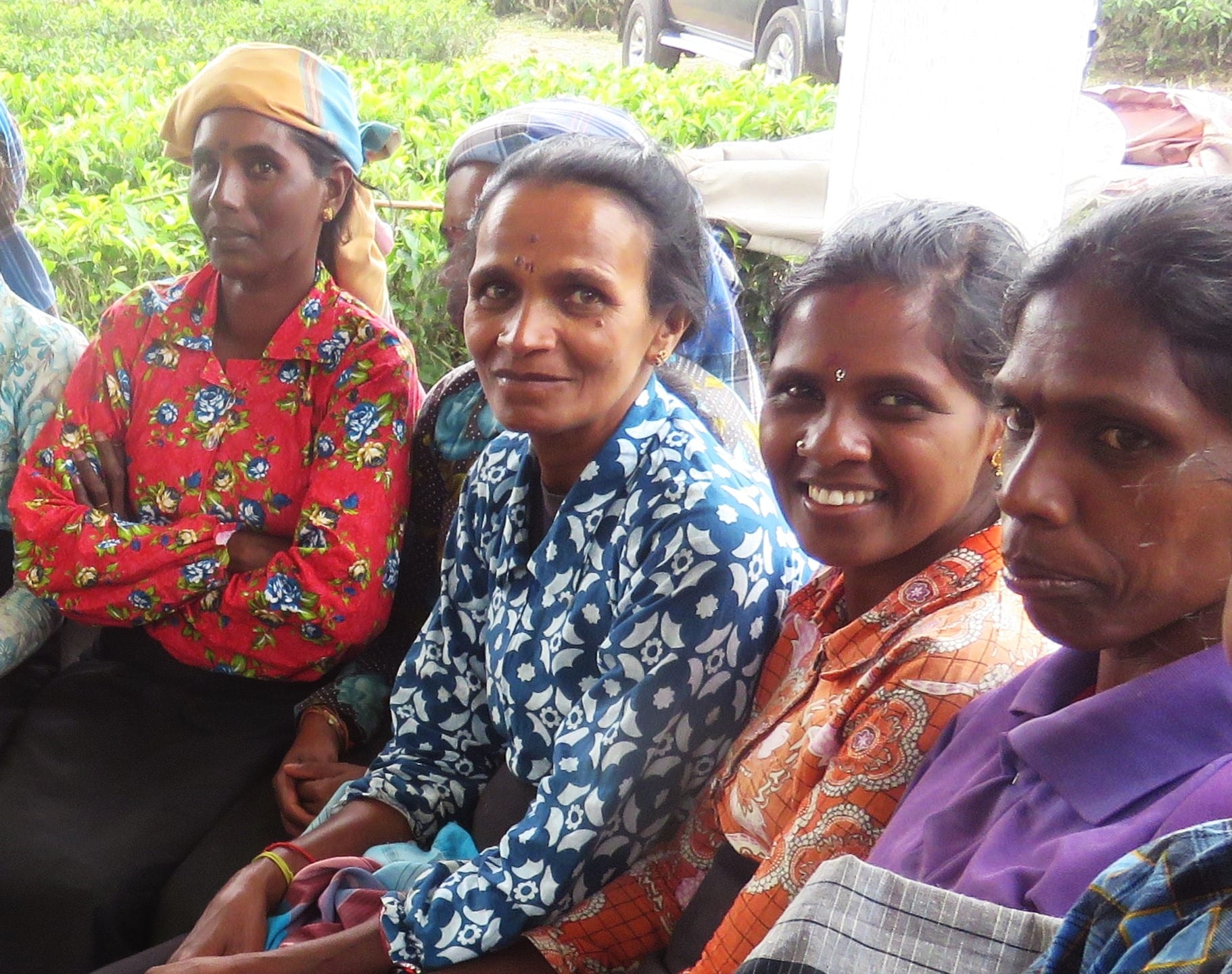
Photo by THIRST. Workers on a Sri Lankan tea plantation. July 2023.
We are now nearing the end of Phase 3 of THIRST’s human rights impact assessment of the tea sector. Working with civil society and industry across the world, and at every level of the value chain, it is exploring how the human rights of women and men working in tea can be better protected.
Update:
- So far the HRIA has produced a set of reports that are building into a valuable toolkit for planning the future of a fair and resilient tea industry:
- What is the problem? Human Rights in the Tea Sector – The Big Picture, a literature review of human rights in principle and in practice in the global tea sector using 10 focus countries
- Why does the problem exist? Root causes of Human Rights Breaches in the Tea Sector seeking to understand the gap between human rights in principle and practice, drawing on feedback from a wide range of tea industry stakeholders across the entire value chain.
- What could be done to solve it? A collection of case studies on Alternative Approaches in the tea sector that tackle some of these root causes. They include new business models, employment practices and trading systems which demonstrate that the colonial plantation system is not the only way to produce tea.
- We are now consulting with stakeholders separately on the findings so far and on the future of the industry. This approach will ensure that we gain detailed and practical insights that can lead to real change.
- We have started at the beginning of the value chain, with workers and farmers. Our visioning workshops with the tea community, including young people who are the future of the industry, are designed to understand their hopes, plans and ideas for the industry in years to come. We will soon publish the findings from Kenya and will continue to run these workshops here and in other countries over the coming months.
- We are also in discussion with a number of companies, NGOs, and potential donors to explore new collaborative initiatives that will put our HRIA findings to the test on the ground. Please contact THIRST for more information.
The goals of the study:
- For the tea industry to have a pragmatic, time-bound “highway map” co-created with civil society stakeholders – including tea workers’ and farmers’ representatives – for their empowerment and full realisation of their human rights. This can frame roadmaps developed by other industry and civil society actors.
- For civil society organisations to have a shared body of evidence on which to base their advocacy and programmes providing a deeper, shared understanding of the dynamics of the industry, how they may be driving breaches of human rights and how these breaches impact differently on women and on men.
Why is it needed?
According to the UN Guiding Principles on Business and Human Rights (UNGPs): “In order to identify, prevent, mitigate and account for how they address their adverse human rights impacts, business enterprises should carry out human rights due diligence. The process should include assessing actual and potential human rights impacts, integrating and acting upon the findings, tracking responses, and communicating how impacts are addressed.”
Breaches of the human rights and labour rights of tea workers – the majority of whom are women – have been reported for many decades. Issues such as low pay, poor living conditions and sexual abuse frequently hit the headlines. Over the almost 200 years of the global tea trade’s history, many organisations and companies have attempted to address problems such as poverty, poor housing, sanitation and healthcare. This has resulted in many local improvements.
Some business enterprises are also beginning to conduct human rights impact assessments in parts of their tea supply chain, as recommended in the UNGPs. However, as the recent HRIA of Lidl GB’s Kenyan tea supply chain found; “Most impacts result from market dynamics and the way that suppliers and producers within Lidl’s supply chain operate, as opposed to resulting solely from Lidl’s direct activities.” The same is likely to apply to any individual company. Other impacts may be the result of sector-wide practices, cultural noms, economic pressures etc.
To really tackle the underlying problems, we need to examine those market dynamics and other sector-wide factors that are driving human rights breaches for tea workers and farmers. And that is exactly what THIRST is now doing.
What is THIRST doing?
THIRST is conducting a human rights impact assessment (HRIA) with a strong gender lens, taking into consideration the very dynamics of the tea industry itself, its global nature, the interdependence of its various parts and the context within which it operates.
Over a three year period, starting in June 2021, it is working with a wide range of civil society actors, industry and other stakeholders as well as technical experts to deliver the HRIA in four phases:
Phase 1: ASSESSMENT [COMPLETE]
- Review the extensive literature available on human rights issues in the tea sector
- Fill in the gaps (for example there is plenty of information about Assam, very little on Indonesia)
- Output: Human Rights in the Tea Sector – The Big Picture: Literature Review
Phase 2: ANALYSIS [COMPLETE]
- Conduct a global survey of tea producers to understand what is helping and hindering them from providing tea workers’ and farmers’ with conditions that meet international human rights standards (22 producers from Argentina, India, Kenya, Malawi, Rwanda, Tanzania and Uganda).
- Conduct interviews with actors along the whole value chain from workers to consumers, and including stakeholders such as trade unions, NGOs and governments (176 participants from Bangladesh, Canada, France, Germany, India, Kenya, Malawi, Rwanda, Sri Lanka, Tanzania, Uganda, UK and USA)
- Work with technical experts to look at the wider political economy, and the commercial, social and legislative context within which the tea sector operates
- Conduct field studies to assess alternative approaches to business models, finance, employment etc in tea production and trading (visits to India, Kenya, Sri Lanka and Tanzania)
- Analyse the findings against a framework of ILO and human rights standards, prioritise the human rights risks and assess what leverage the industry has to address the underlying causes of breaches.
Phase 3: ACTION [PLANNING UNDERWAY]
- Consult with stakeholders at each level of the value chain to verify the findings and develop work plans to act on them
- Verify and further analyse the results at a virtual multi-stakeholder roundtable, and put in place the outlines of the ‘highway map’ for tea. Publish the findings
- Develop multi-stakeholder initiatives on the ground to test the findings of the HRIA
- Help to monitor the progress of the resulting work, assess its effectiveness and refine plans if necessary
Phase 4: ACCOUNTABILITY
- Monitor and report on the impact of these solutions on tea workers and farmers
- Assess the need for further research and/or action, fostering learning on positive initiatives
- Continue to encourage and facilitate dialogue between civil society and the tea industry in order to hold duty bearers to account for realising human rights in the tea sector.
Who is involved?
To deliver this ambitious study, THIRST is working closely with civil society organisations and academic institutions around the world who are already working in this field, drawing on existing initiatives and suggesting additional ones where the need arises. We also work closely with the tea industry and its representatives to ensure that findings are well informed and recommendations are practicable.
Lead Researcher and Project Manager
THIRST CEO, Sabita Banerji
Technical Advisors
Caroline Brodeur, Business and Human Rights Specialist, Oxfam America
Céline Gilart, Head of Social Impact & Sustainability, Twinings
Ella Frankel, Senior Advisor: Food, Farming & Fisheries, Ethical Trading Initiative
Jenny Costelloe, Executive Director, Ethical Tea Partnership
Justin Rippon, Tea Procurement Consultant
Narendranath Dharmaraj, Strategic Advisor and Operations Consultant in Tea
Ottilie Cunningham, Tea Buyer, Fortnum & Mason
Co-Authors and research assistants
Alysha Shivji, Doctoral Researcher in the Business and Human Rights Catalyst at the Alliance Manchester Business School
Caroline Sloan, a qualified lawyer with several years of experience in the international energy sector, who provides research, training, and advisory services on human rights, sustainability and corporate governance.
How is it funded?
Phase 1 was supported by the Ethical Trading Initiative, IDH (The Sustainable Trade Initiative) and an anonymous donor (not connected with the tea sector).
Phase 2 was supported by Ethical Trade Initiative, Fairtrade International, IDH – The Sustainable Trade Initiative, Rainforest Alliance, Teekampagne, Tesco and Twinings – in addition to a number of generous individual donors.
Phase 3. We are currently seeking funders and partners for Phase 3. This is an exciting opportunity for companies, NGOs, trade unions and government agencies to be part of a groundbreaking initiative to set a new direction for the global tea sector – to help it move away from its 19th century colonial roots towards a fair sustainable and thriving future. Please contact THIRST to discuss how you could be involved.
Get involved
To find out how you or your business, trade union, NGO or other organisation can get invovled, please contact us or contribute directly to our costs.
Share this article
Sign up for our monthly newsletter to stay in the know about human rights in the tea sector
Latest news, views and events
View all Upcoming Event
 THIRST news
THIRST News September 2026
• • This month’s upcoming THIRST events, new Knowledge Hub resources, Chair recruitment and more. See also September’s Tea News Update. Photo:…
 Tea News Update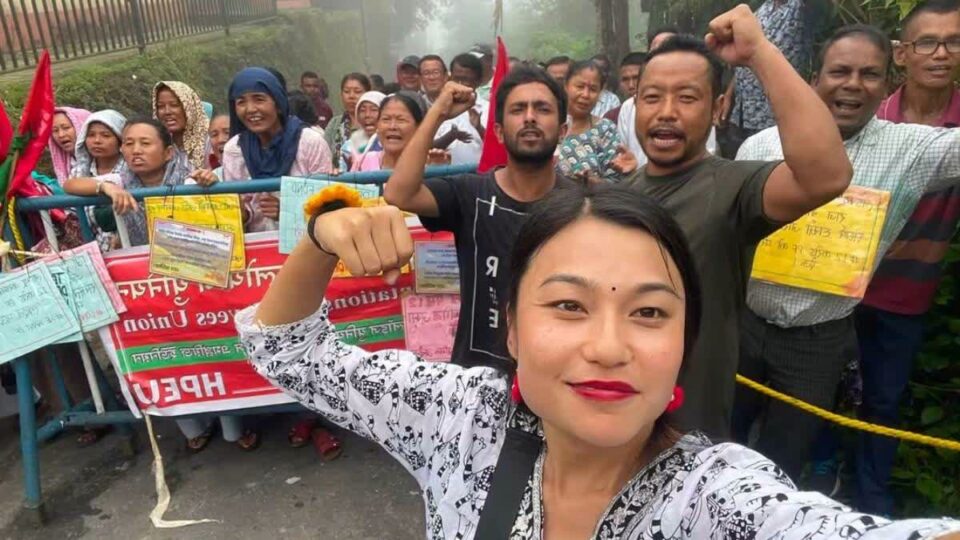
September Tea News Update 2026
Tackling climate impacts is “operational necessity” for tea; “seismic structural shift” in Kenyan tea sector; wage unrest spreads across India, Bangladesh.