
From research to action: The next chapter for THIRST
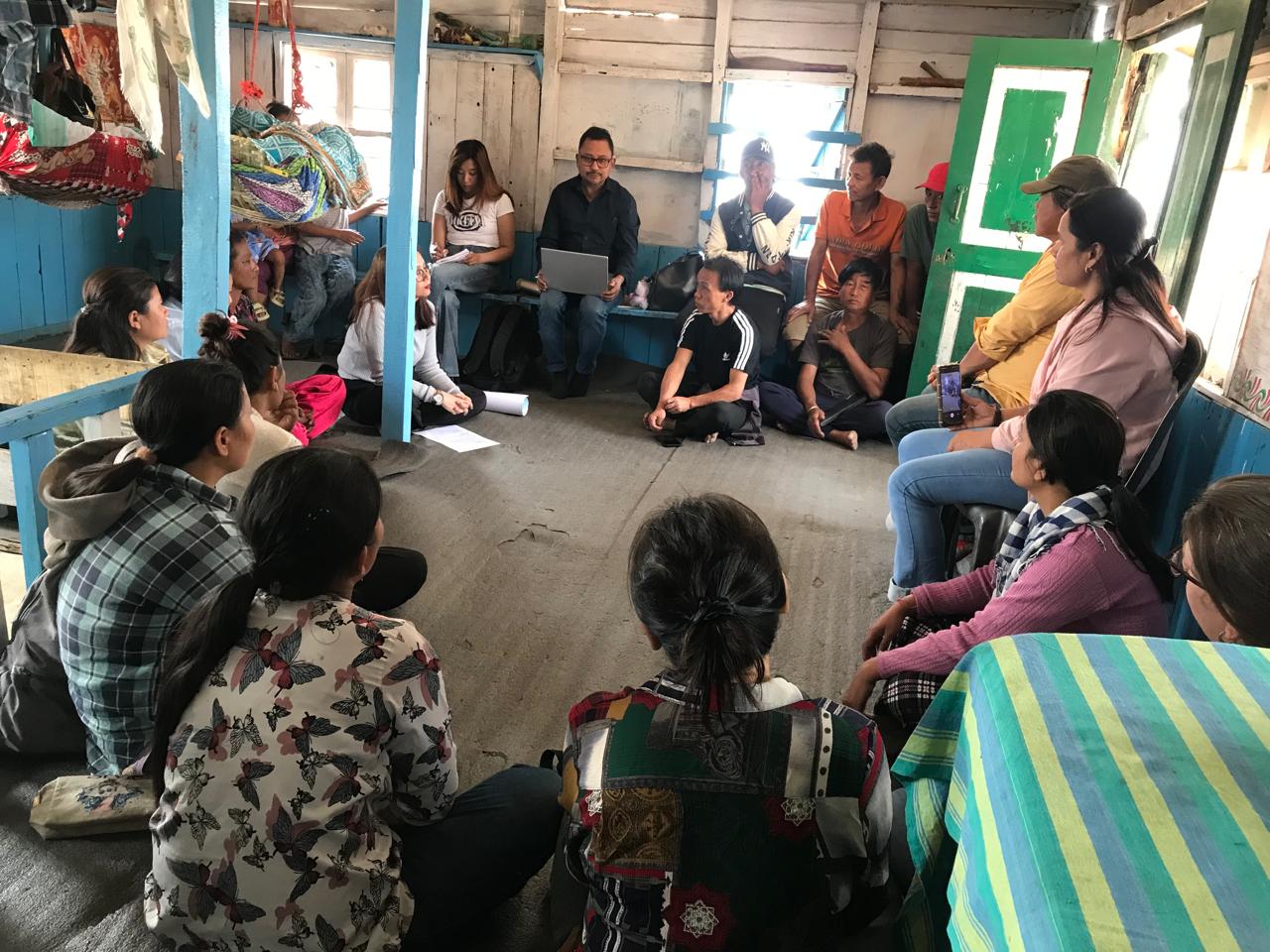
THIRST Tea Community Visioning Workshop, Darjeeling. Photo: DLR Prerna
The past year has been one of the most significant in THIRST’s history.
We’ve always been a small organisation with a big ambition: to transform the tea industry so that workers and farmers are empowered and their human rights are respected. This year, we’ve started to move beyond identifying problems and towards developing practical solutions, strengthening partnerships and building the organisation needed to create change.
As we begin the search for a new Chair, it feels like the right time to reflect on some of the progress we’ve made and look ahead to what’s next.
Bringing the tea sector together through Circle of Tea
One of the highlights of the year has been helping establish Circle of Tea, an international community of practice developed in collaboration with the industry.
The idea is to bring together people from across the tea sector who are trying to solve similar problems and give them a place to learn from each other.
Circle of Tea is primarily targeted at those working on sustainability issues on the ground in tea plantations and farms but it also brings together, brands, retailers, NGOs, researchers and sustainability specialists from around the world to enhance and inform their practice. It is growing into a trusted space for honest conversations, practical ideas and stronger collaboration.
Turning research into action
Research has always been at the heart of THIRST but it only matters if it leads to action.
This year marked an important turning point for our Save Darjeeling Tea programme.
Our Tea Community Visioning Workshops, delivered by our local partner DLR Prerna, brought together tea workers, plantation managers, young people, smallholder farmers and community organisations to shape a shared vision for the future of Darjeeling tea.
The workshops built on similar work we had carried out in Kenya, where tea workers, smallholder farmers and young people shared their hopes and ideas for the future of the industry. Their views are captured in our report, Our Vision of the Future of the Tea Industry.
Those discussions informed the next phase of the programme and a funding bid to the German government’s GIZ Due Diligence Fund. Although the project did not go ahead as originally planned, THIRST’s ability to be flexible and agile meant we could adapt our plans to fit the new circumstances and continue building on the work already done.
Working with Teekampagne and its suppliers, we have continued to support work to strengthen human rights in the Darjeeling tea sector. This has included supporting Teekampagne’s initiative to improve dialogue between workers, managers and civil society.
We also supported work with Teekampagne and Fairtrade International on a sub-national living wage estimate for Darjeeling and completed a human rights assessment of Teekampagne’s Darjeeling supply chain.
This is an important part of moving the work in Darjeeling forward and turning research into action.
Supporting dignity for women in tea
Another important milestone has been the launch of our three-year Dignity for Women in Tea partnership with Women Working Worldwide (WWW).
We’re working with businesses, civil society organisations and local partners to strengthen women’s leadership, promote gender equality and help reduce gender-based violence in tea-growing communities.
As part of the partnership, we’ve also begun supporting the implementation of the Ethical Trading Initiative’s Gender Action in Agriculture (GAIA) Principles. Building on our earlier work with WWW, including the ‘Consent… Risk factors for GBVH in the tea sector’ briefing, this programme aims to help make gender equity part of responsible business practice across the tea sector.
Building stronger foundations
Thanks to support from the Network for Social Change Charitable Trust, we’ve continued improving our website, expanded our Knowledge Hub to more than 170 free resources (and growing) and strengthened our communications and organisational capacity.
Our two foundational reports, Human Rights in Principle and Practice and Root Causes of Human Rights Breaches continue to underpin our work and support organisations working to address human rights issues across the tea sector. Both reports are freely available on our website for anyone looking for an in-depth analysis of the challenges facing tea producers and the changes needed to address them.
Learning from others
We launched two new webinar series. Our Alternative Approaches explores fresh ways of tackling long-standing challenges in the tea sector, while What can the tea sector learn about sustainabilty from…? looks beyond tea to hear from experts working in coffee, bananas, cocoa, palm oil and other sectors. The webinars have attracted people from around the world with conversations continuing long after each session. Our webinars are now freely available through our Knowledge Hub, creating a growing library of practical learning for the sector. The current series is on what the tea sector can learn about sustainability from other sectors – more information here.
Sharing what we’re learning
We continue to strengthen the way we share knowledge through our monthly newsletter, tea and human rights news updates, LinkedIn posts and our growing Knowledge Hub.
During the year, our CEO, Sabita Banerji, was interviewed again by the BBC, this time for BBC World Service’s History Hour. She also helped connect the programme with contributors for its Witness History episode on the Pempilai Orumai women’s strike, one of the key inspirations behind THIRST and an important moment in the fight for women’s rights in the tea industry. Sabita previously appeared in the BBC’s Empire of Tea series in 2023.
Being part of programmes like these gives us another way to bring the voices and experiences of tea workers to a wider audience and raise awareness of the human rights issues affecting the sector.
Looking ahead
The past year has shown what’s possible when organisations are willing to listen, share ideas and work together.
While the challenges facing the tea sector remain significant, we believe there is real reason for optimism. More organisations are choosing to collaborate, more businesses are looking for practical solutions and more people recognise that change starts by listening to tea workers and tea growing communities.
As THIRST continues to grow, we’re looking for a new Chair of Trustees to help lead the organisation through its next chapter. If you share our commitment to human rights, collaboration and practical action, we hope you’ll consider applying.
Share this article
Sign up for our monthly newsletter to stay in the know about human rights in the tea sector
Latest news, views and events
View all Upcoming Event
 THIRST news
THIRST News August 2026
THIRST seeks new Chair; Darjeeling Tea Multi Stakeholder Roundtable 27 Nov; Behind the Brew Update; Next Circle of Tea meeting 29 Sept
 Tea News Update
August Tea News Update 2026
Tea industry pivots from volumes to value amid price, cost and climate shocks; efforts to tackle, mitigate climate impacts; Indian tea company…